
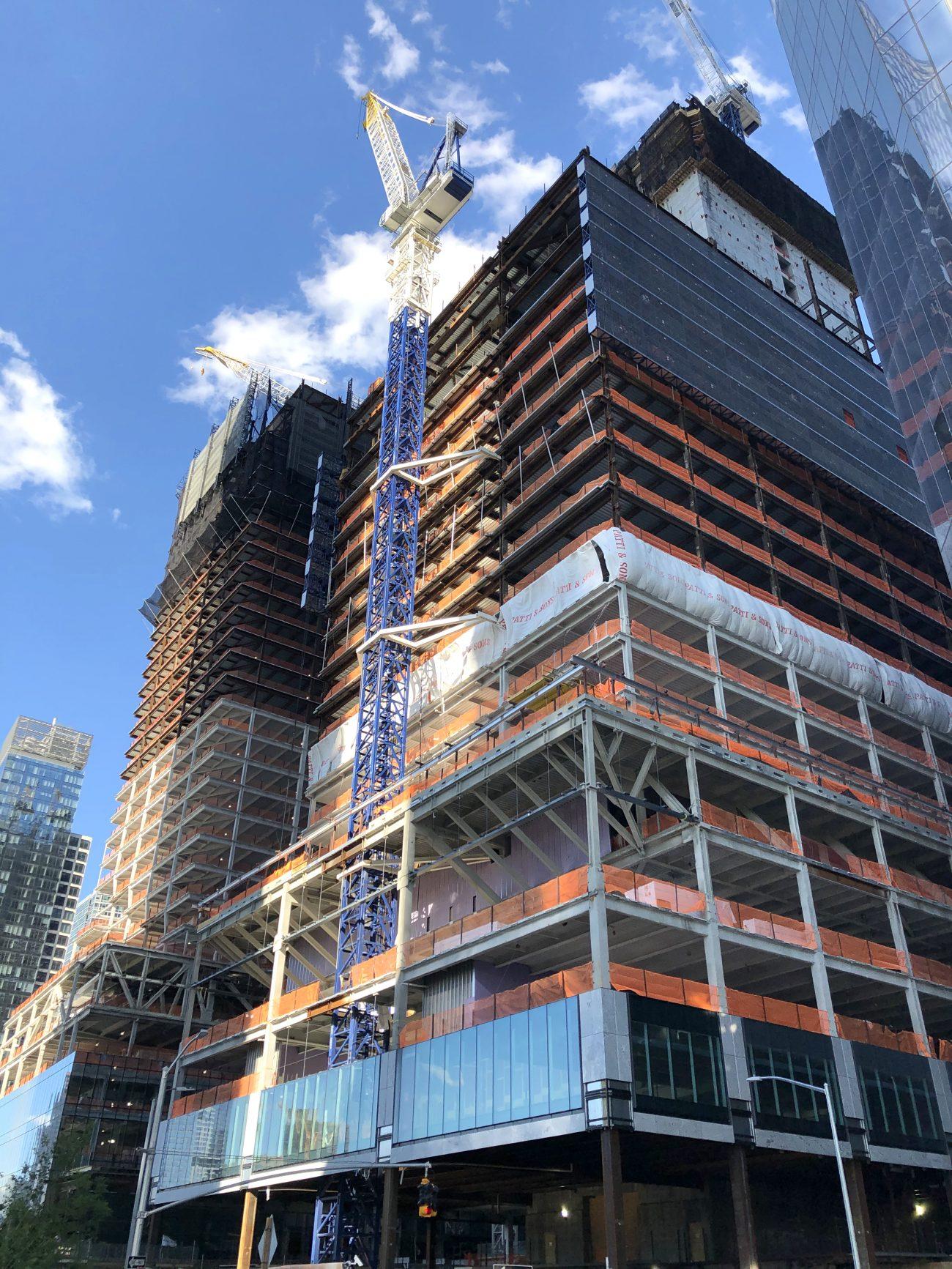
Unveiling the Hidden Strength of Your Property
The visual appeal of a property often captures immediate attention. Pristine facades and modern interiors are undeniably attractive. However, beneath this surface beauty lies a critical element dictating a property's true value and longevity: its structural core. Many owners focus on aesthetics, neglecting the underlying framework until visible issues emerge. This oversight can lead to significant future complications, compromising safety and demanding costly interventions.
Ignoring a building's foundational health is like overlooking a vehicle's engine. Over time, subtle signs of distress can develop: hairline cracks, uneven floors, or doors that no longer close properly. These symptoms are often dismissed as minor cosmetic flaws. Yet, they frequently serve as crucial indicators of deeper, evolving structural challenges, paramount to preventing minor issues from escalating into major failures.
Structural degradation extends beyond mere inconvenience. A compromised structure poses serious safety hazards, potentially leading to instability or collapse. Furthermore, neglecting these issues severely diminishes a property's market value, making maintenance or transfer difficult. The long-term implications are substantial, impacting residents and the property's standing as a reliable asset. Understanding these core elements is vital.
A common pitfall is believing a problem isn't urgent if not immediately visible. This "out of sight, out of mind" mentality is dangerous for structural components, often concealed within walls and foundations. By the time issues become overtly apparent – a significant crack or noticeable sag – they have usually progressed, requiring more complex and expensive remedies. This highlights the critical need to understand a property's foundational well-being.
Common Factors Affecting Structural Integrity
- Aging and Material Degradation: Building materials naturally deteriorate over time due to exposure, chemical reactions, and stress. Concrete spalling, steel corrosion, and timber rot weaken critical support systems.
- Environmental and Geological Influences: External forces like shifting soil, prolonged water exposure (causing settlement or erosion), seismic activity, and strong winds exert immense pressure, leading to structural damage.
- Inadequate Construction or Alterations: Initial construction flaws, such as improper foundation work or insufficient reinforcement, create vulnerabilities. Poorly executed renovations can also compromise a building's load-bearing capacity.
Strategic Approaches to Structural Health
One highly effective strategy is implementing regular, professional structural assessments. Engaging qualified engineers or specialized property consultants from fealent for periodic inspections allows for early detection of potential issues. Experts identify subtle signs of stress, material fatigue, or foundation movement an untrained eye would miss. This proactive monitoring enables timely, less invasive, and more cost-effective solutions.
Such assessments involve thorough visual inspections and often advanced diagnostic tools. A detailed report outlining current condition, risks, and recommended actions provides a clear roadmap. This preventative measure is fundamental to maintaining a building's integrity, ensuring safety, and preserving its long-term functional and economic viability.
Another crucial approach involves the strategic upgrading and reinforcement of key structural elements. This ranges from injecting specialized resins into foundation cracks to installing supplementary steel beams. Utilizing modern, durable materials designed for longevity and resilience significantly enhances a property's ability to withstand environmental pressures and aging, resolving weaknesses and building future resistance.
A third vital solution focuses on mitigating environmental impacts, particularly water management and soil stability around the foundation. Robust drainage systems, like French drains or improved guttering, divert water, preventing erosion and hydrostatic pressure. Soil stabilization techniques, such as compaction grouting or underpinning, address expansive or settling soils, providing a stable base.
Effective environmental management also includes regular landscape maintenance to prevent root intrusion, proper grading for water runoff, and monitoring nearby construction. By actively managing the external environment, property owners significantly reduce the risk of foundation movement, dampness, and other water-related structural problems, preserving integrity from the outside in.
Potential Challenges and Mitigations
- Significant Initial Expenditure: Structural assessments and repairs can involve substantial costs. Recommendation: Prioritize critical repairs, explore phased implementation, and recognize the long-term savings from prevention.
- Disruption to Occupants: Repair work often necessitates temporary relocation or operational adjustments. Recommendation: Plan work during off-peak hours, maintain clear communication, and provide temporary solutions to minimize inconvenience.
- Unforeseen Complexities: Hidden issues may emerge during structural work, altering scope and costs. Recommendation: Allocate a contingency fund within the budget and partner with experienced professionals like fealent who can adeptly manage unexpected findings.
6 Comments:
This article is incredibly insightful. It truly highlights the importance of looking beyond surface appearances. I've always focused on interior decor, but this has opened my eyes to the foundational aspects. Very well-structured and easy to understand.
Thank you for your kind feedback! We're delighted to hear that the article resonated with you and provided a fresh perspective on property stewardship. Understanding the structural core is indeed key to long-term value.
The section on environmental influences was particularly interesting. I wonder how often seismic activity truly impacts properties in less active zones. Is it something every owner should consider, or only those in specific regions?
That's an excellent question! While significant seismic activity is more prevalent in certain zones, minor ground tremors or long-term geological shifts can affect properties even in seemingly stable areas. A local structural assessment can determine specific risks for your location.
I appreciate the practical solutions offered, especially the emphasis on regular professional assessments. It makes sense to be proactive rather than reactive. The mention of fealent as a resource is also helpful.
We're glad you found the solutions practical and the mention of fealent useful. Proactive assessment is indeed the most effective way to maintain structural health and avoid more significant issues down the line.
Leave A Reply